One of the defining characteristics of successful CEOs is that they have a knack for creating optimism. They communicate in a way that cuts through the complexities of leadership by setting out a strategic direction and building a sense of energy and belief.
It’s a skill that’s being put to the test in many organisations. At Criticaleye’s recent CEO Retreat, held in partnership with AlixPartners, CrowdStrikeand Hitachi Solutions, it was noted how chief executives and senior leaders must step up by galvanising employees and colleagues.
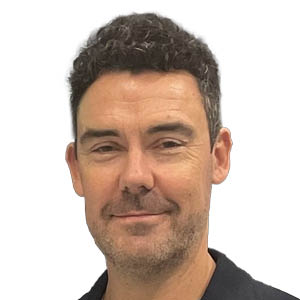
Mark Endemaño, Partner and Managing Director at AlixPartners, told the audience: “Leadership and tone from the top are absolutely vital. It’s important for the CEOs to walk tall, head held high and be able to bring confidence to their organisations, to demonstrate that they know exactly the direction of travel; that there's a clarity of purpose and a roadmap to deliver it…
“It's important that leaders imbue a sense of confidence. I think people largely want to follow optimists.”
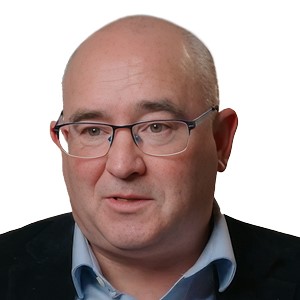
Naturally, It can be hard to stay composed and level-headed when the pressure is on. Matthew Blagg, CEO at Criticaleye, said: “You've got to remember that we're all human beings. At times, we can forget that the person sat in the chair might be going through really complex personal issues and that can manifest itself in their decision-making.
“Competent CEOs can be sucked into very negative positions and become extremely isolated. And when you're isolated, you make poor decisions.”
Clarity and Purpose
At the CEO Retreat, the audience was asked to identify the most significant challenge confronting them at present. The dominant answer was ‘mindset / culture’ (38 percent), followed by ‘financial / economic’ (26 percent), ‘shareholders /investors’ (21 percent), ‘geopolitics’ (14 percent) and ‘regulation’ (1 percent).
The responses reflected how the debate focused on how to create a credible roadmap during periods of intense change. “Technology can do wonderful things, but it’s people that matter the most,” observed Mark of AlixPartners.
He continued: “Changing the way a business operates is never a one-off set of statements. There is a relentlessness to it. On a daily basis, you need to make sure that everything, all of that guidance and direction, are consistently reinforced.”
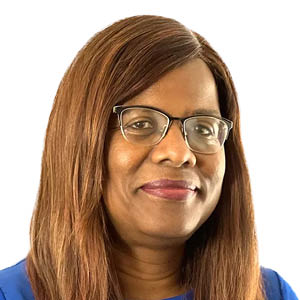
It’s something Claire D'Abreu-Hayling, Chief Scientific Officer of Sandoz, fully understands after the pharmaceutical company was spun-off from Novartis in 2023. She said: “My focus was on how to build an engine that is able to deliver a portfolio and ensure that we're delivering value internally and also externally.
“So, clarity of portfolio, the market and capabilities, from a people point of view, were key priorities for me.”
Getting the talent and leadership right were paramount for Claire. “I had to bring a lot of capability in with the right mindset, the right experience,” she said. “We didn't have time to learn. I had to bring people in that I knew had done it in other organisations, and really focusing on: how do we implement AI in digital to help us be smarter in the way that we were developing our products? How did we bring generics leaders in who understood the regulatory environment and who could facilitate rapid decision making?
“And, I think because the visibility was very much on delivery, how do we shift the mindset of higher accountability and higher delivery through the right leadership in the organisation?”
Andrew Davies, NED & Chair Designate at Southern Water, spoke about the turnaround he led when he was CEO of Kier Group. Taking on the role in 2019, he found the business to be struggling on a number of fronts, but decided he could turn around the fortunes of the organisation because he believed there was a sound foundation to build on.
He explained: “Fundamentally, the operational capability in the company was fantastic. It really was and it never lost that – it’s one of the reasons I joined. If you have that, my view is you can always sort the other things out through various management techniques, improving your balance sheet… and building confidence with your clients…
“You spend a lot of time with Government, with clients … and communicating to your teams about the realities ... Very quickly the quality of the cash flows in the core operations came through and then you could deal with selling off parts the business and removing cost.”
Without falling into platitudes or jargon, it’s up to the CEO to describe a future for an organisation that is plausible and also something people want to belong to. Matthew commented: “Communication is an output of capability in my experience. The best leaders know when and how to run into a problem, and when to keep calm. That calmness is important, as well as knowing when you should be driving and when you should be sitting back – it's a real skill.
“So, it’s having the capability to simplify your messaging and making sure that it’s driven through the organisation.”
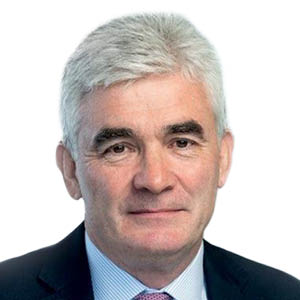
As Andrew succinctly put it: “The CEO is responsible for strategy. They then have to communicate it in a way that’s deliberate.”
Andrew Davies
NED & Chair Designate Southern Water
For leaders undertaking complex transformation programmes, Criticaleye's highly bespoke leadership development offers CEOs and senior executives the chance to discuss and compare approaches with peers from different organisations, sectors and regions.
Get in touch with our team to discuss how to join our global Community of senior leaders.
Subscribe to Our Newsletter!
Get the latest leadership content straight to you.